
5 Mistakes That Could Ruin Your Case Without an Immigration Lawyer
Navigating immigration laws without professional assistance can be a daunting journey fraught with unexpected challenges. Immigration law is a notoriously complex field, featuring intricate rules and regulations that vary significantly between jurisdictions and remain subject to frequent, unannounced shifts. Understanding the framework of these laws and identifying the potential pitfalls of managing them alone is a crucial step for anyone who seeks to secure their legal status. Many individuals underestimate the underlying intricacies involved in these processes, falsely assuming that they can navigate the paperwork independently without fully appreciating the long-term consequences of minor procedural errors.
According to the Pew Research Center, immigrants now make up 14.3% of the U.S. population, nearly three times the share in 1970, which was 4.7%. This massive demographic shift underscores the critical importance of understanding and navigating federal legal structures effectively. With such an expansive population impacted, the systemic margin for error and misunderstandings is higher than ever before. Attempting to handle these high-stakes matters without hiring experienced immigration lawyers frequently exposes applicants to severe risks, ranging from prolonged processing delays to outright application denials or even permanent deportation. Approaching this life-altering process requires the highest level of caution and legal expertise.
Avoiding incomplete or incorrect application forms
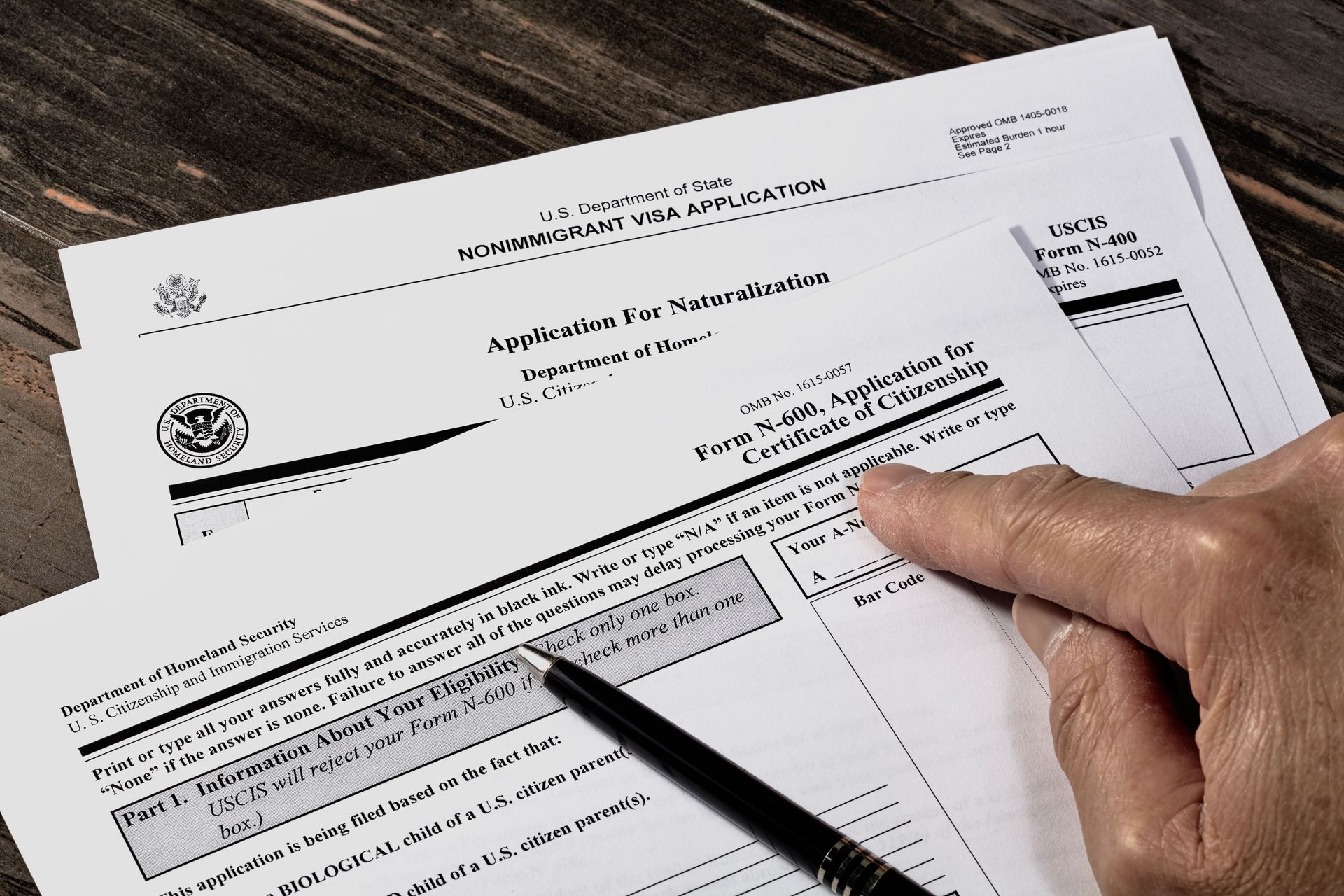
Accurate documentation forms the absolute cornerstone of any successful immigration application. Applicants must remain extraordinarily diligent when gathering and submitting required paperwork to avoid unnecessary government delays. This requires a comprehensive understanding of which forms are necessary and ensuring that every single field is filled out accurately and remains completely up to date. Failure to provide correct documentation can lead to immediate rejection or intensive requests for evidence, which can heavily prolong the timeline. By reviewing all requirements beforehand, applicants can ensure their submissions meet strict federal standards and move forward efficiently.
Form-filling errors remain among the most common mistakes made by individuals attempting to manage their applications without immigration lawyers. These errors can range from basic spelling mistakes to highly critical issues, such as providing mismatched biological data or an incorrect identity history. Furthermore, missing signatures are a frequent oversight that can render an entire application legally void, leading to immediate administrative rejections that delay the process by weeks or months. Ensuring that all required parties, including family sponsors or corporate employers, have signed the exact lines required is essential to avoid automatic processing failures.
Providing inaccurate information on official forms can carry devastating legal and personal repercussions. Inaccuracies can be interpreted by federal authorities as intentional misrepresentation, resulting in severe application denials, long-term bans, or deportation. Applicants must maintain total transparency regarding their history, including disclosing past criminal records or minor immigration violations. Utilizing rigorous checklists, cross-referencing information across all submitted materials, and having a trusted individual review the paperwork before submission are vital strategies to ensure accuracy and protect your credibility with immigration authorities.
Navigating complex and changing immigration legislation
Immigration laws can vary significantly across local, state, and federal jurisdictions, making it vital for applicants to understand how these systems interact. While federal immigration laws apply uniformly nationwide, certain local laws and municipal regulations can impact housing, employment verification, or local law enforcement interactions. Applicants must fully familiarize themselves with both federal mandates and local rules to maintain total legal compliance. Failing to grasp these overlapping distinctions often leads to severe procedural complications and unexpected delays during the active application process.
Furthermore, immigration legislation is subject to frequent and volatile updates that can rapidly alter eligibility criteria, required fees, and processing timelines. Staying updated on these shifting policies is essential for keeping an application viable, as a form or policy that was valid last month could be obsolete today. Applicants should regularly monitor official government portals, read legal policy bulletins, and join informed community forums to track updates. Relying on professional immigration lawyers ensures that your strategy shifts dynamically alongside these legislative changes, protecting your case from sudden policy disruptions.
Misinterpreting complex eligibility criteria is another common pitfall that regularly leads to immediate application denials. Every single visa category and residency pathway features highly specific, rigid criteria that must be proven through exact legal definitions rather than casual assumptions. Additionally, prior judicial precedents play a massive role in how current immigration laws are interpreted and applied to individual cases. Because understanding how past legal rulings affect current applications requires deep legal training, self-educated applicants often misjudge their eligibility, making professional guidance invaluable for a successful outcome.
Managing critical timelines and mandatory appointments
Tracking key dates is an absolute necessity for ensuring a successful immigration process, as missing a single deadline can completely derail a case. The government maintains strict timelines for submitting forms, replying to requests for evidence, and attending mandatory biometrics appointments. Failing to meet these dates can result in immediate case abandonment, forfeiture of filing fees, or the initiation of removal proceedings. Applicants must establish a centralized, reliable timeline to track all critical dates related to their status, ensuring they remain completely aligned with government expectations.
Setting up effective, multi-layered reminder systems is a practical way to manage these strict timelines. Applicants can utilize digital calendars, specialized smartphone applications, and automated alerts to ensure no critical milestone is overlooked. Enlisting the support of close family members or trusted peers to provide secondary reminders can also add a helpful layer of security. Because the consequences of a missed deadline are so severe, maintaining a proactive and highly organized approach to calendar management is one of the most effective ways to protect your legal standing.
Gathering sufficient evidence and supporting documentation
Understanding what qualifies as valid evidence is a vital component of building a resilient immigration application. Evidence is required to verify every claim made on your forms, from proving familial relationships to validating professional credentials or financial independence. Failing to provide sufficient, credible evidence will trigger lengthy delays or lead directly to a denial. Applicants must thoroughly research the specific evidentiary standards required for their exact visa type, ensuring that every document submitted is legally recognized, fully authenticated, and properly translated if necessary.
Gathering comprehensive supporting documentation requires a methodical approach and deep attention to detail. Applicants should create an exhaustive checklist covering financial statements, employment verification letters, certified vital statistics, and academic records. Ensuring that every document is completely accurate, legible, and current before submission prevents processing roadblocks. Taking the time to gather a robust, unquestionable foundation of evidence is one of the most reliable ways to demonstrate your clear eligibility and streamline the government review process.
Organizing these documents for maximum clarity and impact is equally important for a favorable outcome. Reviewing officers handle massive volumes of cases, so presenting an application that is chaotic or difficult to navigate can inadvertently harm your chances. Categorizing documents into logical sections, using clear labels, and including a professional table of contents allows the reviewer to locate key evidence instantly. Proper organization reflects a serious commitment to the process, significantly reducing the likelihood of administrative errors and helping your case move forward smoothly.
Securing professional representation for interviews
Preparing thoroughly for immigration interviews is one of the final and most critical phases of the legal journey. The interview serves as a direct opportunity for federal officers to verify the truthfulness of your application and evaluate your credibility in person. Applicants must review their entire submission history, practice answering detailed personal questions clearly, and anticipate potential areas of scrutiny. Arriving at the interview fully prepared helps reduce anxiety, allows you to speak confidently, and ensures that you can present your background in an accurate, truthful manner.
Having a qualified legal representative present during your interview provides an invaluable layer of protection and reassurance. A professional advocate ensures that your legal rights are fully respected, monitors the fairness of the questioning, and can clarify complex legal points if confusion arises during the session. For more information about the services that we offer, reach out to our incredible team at Ferreira & Vazquez, P.C. Attorneys at Law today!




Share On: